Emerging Trends in Water & Wastewater Treatment: What They Mean for Businesses and Professionals
In today’s fast-paced industrial and municipal landscape, one thing is clear: water is no longer just a utility—it’s a strategic asset. From manufacturers to municipalities, the systems that move, treat, and safeguard water are mission-critical. Yet, the technologies, regulations, and expectations shaping this industry are evolving faster than ever. For professionals and organizations alike, staying ahead of these changes isn’t optional—it’s essential.
At Jack Tyler Engineering, Inc. we’ve seen firsthand how these shifts are impacting both operators in the field and decision-makers in the boardroom. Here are the trends we believe will have the biggest impact in the years ahead:
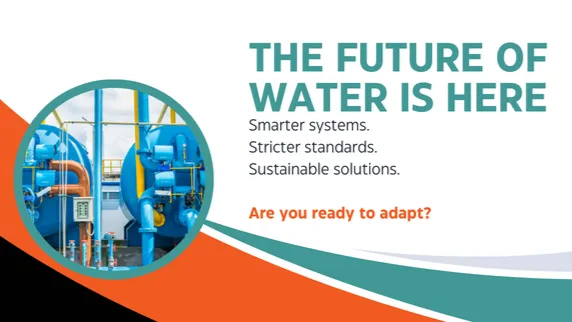
Smarter Systems
Connected devices, sensors, and monitoring platforms are transforming how equipment is managed. Real-time data can now flag performance issues before they become failures, cutting downtime and saving money. Bluefield Research projects that global spending on digital water technologies will top $55 billion by 2030—a clear sign that “smart water” isn’t just hype.
We’re seeing more clients lean on us not only for equipment, but also for the know-how to keep it optimized. It’s a reminder that future success depends on fluency in both mechanical systems and digital tools.
Rising Compliance Demands
From PFAS to nutrient removal, environmental standards are only getting tougher. Compliance today isn’t just about meeting today’s requirements—it’s about anticipating tomorrow’s.
In Arkansas and surrounding states, many municipalities and industries are already planning upgrades to get ahead. The ones who move early avoid penalties and build community trust by showing they take environmental responsibility seriously.
Sustainability as Standard
Turning wastewater into a resource is quickly becoming the norm. Facilities are reusing treated water, capturing energy from biogas, and recovering nutrients that can be sold or repurposed.
In JTE’s 60+ years of service, we’ve seen the industry mindset shift dramatically—from “treat and discharge” to “recover and reuse.” Clients now ask us to design systems that meet immediate needs while also aligning with long-term sustainability goals.
A Changing Workforce
Another shift that can’t be ignored is the workforce. As experienced operators and technicians retire, companies are scrambling to train the next generation to manage increasingly complex systems.
At JTE, we’ve always said we’re more than a distributor. We’re a local partner. That means supporting our clients not just with equipment, but with expertise, training, and responsive service to help develop tomorrow’s water professionals.
What This Means for You
For businesses:
Invest early in automation, monitoring, and compliance upgrades.
Work with trusted partners who know your systems and your industry.
Build workforce development into your strategy—don’t wait until expertise is gone.
For professionals:
Grow your skill set. Learn how digital tools, compliance, and optimization connect with the equipment you manage.
Stay proactive. Regulations and sustainability goals are changing quickly.
Think long-term. Balance cost, reliability, and environmental responsibility in every decision.
Wrapping It Up
Change is never easy—but it’s also where the biggest opportunities live. The future of water and wastewater treatment will belong to those who adapt, innovate, and see challenges as chances to lead.
At JTE, our philosophy has always been simple:
Engineering Solutions. Elevating Performance.
For us, that means helping clients and communities prepare for what’s next—whether that’s smarter systems, tougher standards, or sustainable practices.
Learn more about how JTE helps customers stay ahead: jteng.com